
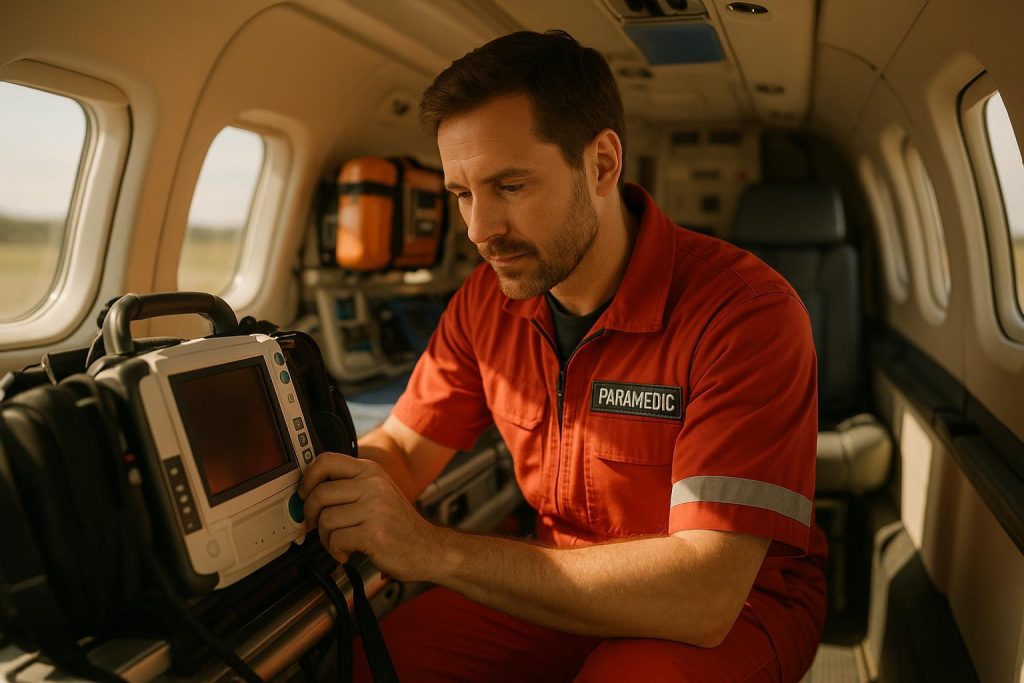
Essential Medical Equipment in Air Ambulances: What You Need to Know
When thinking about air ambulance medical equipment, many people wonder if these flights carry all the tools necessary for comprehensive in-flight care. In reality, an air ambulance is like a miniature intensive care unit (ICU) soaring at high altitude. It combines a well-equipped aircraft, trained professionals, and strict protocols to ensure safety. Yet the scope can vary depending on the operator, aircraft type, and individual patient needs. In this guide, we explore the onboard medical equipment found on most dedicated air ambulances, why it matters, and the factors that go into planning each flight.
Understanding Air Ambulance Equipment and Purpose
Air ambulances exist to transport critically ill or injured patients swiftly, especially when ground transport is impractical or time-consuming. Sometimes referred to as a medical jet system or medical jet ambulance, these specialized aircraft feature life-sustaining devices aimed at stabilizing patients mid-air. Typically, the crew includes flight nurses, paramedics, or doctors, ensuring a comprehensive blend of skills. This synergy between advanced technology and professional expertise is what makes air medical equipment so critical to a patient’s survival and comfort while in transit.
While the specific gear on board can vary, core standards remain consistent among reputable providers. These standards are often shaped by national aviation regulations and clinical guidelines for air medical transportation. In other words, no matter the operator, certain essential items—such as ventilators and defibrillators—are almost always part of the standard setup.
The Role of Coordination in Ensuring Proper Onboard Medical Equipment
Medical flights go beyond stocking a few devices. They require precise coordination, from selecting which form of aircraft best suits a patient’s needs, to determining which specialized pieces of equipment to bring on board. At Jet Companion, we do not own or operate the air ambulances ourselves. Instead, we leverage our experience in Medical Repatriation to match each patient with the right aircraft, the right crew, and the right level of care. This planning phase starts with a thorough review of the patient’s condition and the type of medical intervention they might need during the flight.
For instance, a patient dealing with severe respiratory conditions might need a high-tech ventilator that can support fluctuating oxygen requirements at altitude. Another individual who struggles with cardiac issues may need advanced monitoring systems capable of flagging any arrhythmias. As planners, we take such nuances into account, working with trusted operators to ensure that the plane is stocked with the correct onboard medical equipment, from specialized infusion pumps to emergency medications. By focusing on the details, we help minimize complications and ease the anxiety for families and case managers.
Standard Tools Found on Most Air Ambulances
To paint a comprehensive picture of air ambulance equipment, let us look at some of the most commonly found devices. Understanding what medical supplies are on a plane can offer clarity for families and medical professionals alike, easing concerns about patient safety during a flight.
- Ventilators: These specialized machines are crucial for patients who cannot breathe effectively on their own. In an air ambulance, the ventilator typically features adjustable settings for oxygen concentration, respiratory rate, and pressure support. High altitudes can reduce the available oxygen, so flight crews carefully calibrate these systems to match the patient’s needs during the flight.
- Cardiac Monitors: Air ambulance services routinely transport individuals with cardiac complications. As a result, top-of-the-line heart monitors are a mainstay. They measure the patient’s heart rate, rhythm, and oxygen saturation. When abnormalities occur, the devices issue immediate alerts, enabling the onboard medical staff to intervene without delay.
- Infusion Pumps: Since many patients must receive regulated doses of medication or IV fluids, infusion pumps are indispensable. They deliver consistent, measured amounts of life-saving drugs such as antibiotics or pain management medication, ensuring patients get the exact dosage at the correct time, even if the flight is turbulent.
- Defibrillators: While no one hopes to use a defibrillator, it can be the difference between life and death if a patient’s heart stops or enters a critical arrhythmia. These portable machines analyze heart rhythm and provide a necessary shock to help restore regular beats.
- Oxygen Supplies: High altitudes can exacerbate respiratory difficulties, which is why adequate oxygen cylinders and distribution systems are paramount. Flight medics usually have multiple backups to ensure a continuous supply, even if an unforeseen situation arises.
- Emergency and Critical Care Medications: Up-to-date air ambulances carry an array of drugs for pain relief, sedation, infection control, and resuscitation. Teams carry emergency medications to handle allergic reactions, cardiac events, and other crises. All dosing and administration fall under strict medical protocols to maintain patient safety at all times.
Beyond the Basics: Specialty Air Medical Equipment
Sometimes, a patient’s condition necessitates more sophisticated hardware or customized interventions. In these cases, the infrastructure of an air ambulance must adapt to meet additional requirements. By collaborating with operators who can handle unique requests, we ensure that even the most complex patients can travel securely. Below are examples of specialized air ambulance medical equipment used in special circumstances.
- Portable Ultrasound Machines: Early detection of complications like internal bleeding or fluid buildup can be pivotal. In certain acute injuries, a quick ultrasound exam guides real-time decision-making. Having ultrasound technology onboard can prevent a problem from escalating until the patient lands.
- Isolation Units: In rare instances, patients with contagious diseases must stay in sealed environments. Isolation pods come equipped with filtered airflow and protective barriers that protect the crew, other passengers, and medical personnel from infection risk. These are especially relevant for conditions demanding quarantine-level safety while in transit.
- Advanced Monitoring Devices: Certain cases, such as neurological or multi-system complications, require continuous monitoring beyond basic vitals. Specialized devices might measure intracranial pressure or continuously assess arterial blood pressure. These advanced monitors allow the onboard medical team to track every important metric, catching subtle changes that could indicate bigger problems.
The Significance of an Experienced Aeromedical Crew
Air ambulance equipment by itself is merely machinery. It is the flight nurse, paramedic, or physician who determines how effectively each tool is used. Highly trained crews anticipate altitude-related effects, medication interactions, and potential in-flight crises. At Jet Companion, when we arrange air ambulance services or Commercial Medical Escorts, we ensure that the medical staff have a background in emergency and critical care transport. They know how to handle tasks like starting an IV line in a moving aircraft, reading lab results in real time, or adapting care plans under pressure.
This experienced crew not only provides medical treatments but also tends to the emotional well-being of the patient. It is natural for patients and families to be anxious, especially when health complications arise far away from home. Skilled teams excel at explaining procedures, listening to concerns, and offering reassurance. In the intimate setting of an air ambulance, a human touch can be as vital as the technology that helps stabilize medical conditions.
Why Altitude Can Affect Onboard Medical Equipment
A unique factor in air medical flights is altitude. High-altitude environments can affect everything from oxygen saturation to intravenous medication flow. Ventilators, oxygen concentrators, and other devices must be calibrated to avoid complications. A simple bump or sudden altitude change may also impact needles and tubes, requiring quick intervention from the medical crew. This is where extensive training comes into play. Flight nurses and paramedics learn to adapt to cabin pressure shifts, ensuring that instruments remain reliable throughout the trip. They closely monitor the patient’s status and adjust ventilator or infusion pump settings as needed.
Additionally, environmental factors like temperature fluctuations can influence the performance of some devices. Modern air ambulances usually have climate control systems to keep critical equipment operational. Nevertheless, it is the job of the flight team to verify that temperature-sensitive medications remain within safe ranges. Such attention to detail is crucial, as even a minor equipment glitch can have serious consequences in the air.
Coordination Across Borders and Time Zones
Many air ambulance flights cross international borders, which adds another layer of complexity. Planning an air ambulance flight from one country to another involves compliance with regulatory standards, customs laws, and possible changes in medication protocols. At Jet Companion, we abide by Canadian guidelines while collaborating with global operators, ensuring that a consistent level of care is maintained even if the departure point or destination is abroad. Our case managers carefully sort out details such as insurance requirements, hospital documents, and ground ambulance connections to streamline the entire transport.
For instance, if a patient requires multiple stops during a long-distance flight, the air ambulance might need to refuel or swap out specialty equipment. Each halt involves reaffirming that all medical supplies are in order and no critical item is running low. This seamless coordination helps prevent last-minute surprises.
Balancing Cost and Care
Families facing an unexpected medical emergency abroad often worry about the cost of a dedicated air ambulance. While these services can indeed be expensive, there are alternatives like commercial airline stretcher services or Commercial Airline Stretcher options, which may be more budget-friendly. However, not every condition is suitable for such methods. Patients who require intensive monitoring, a ventilator, or immediate emergency care en route may still need a specialized air medical flight. At Jet Companion, we always strive to present families with safe, transparent options that do not compromise patient care.
Ensuring Quality Through Due Diligence
Since we are a Canadian-based company, we place a high emphasis on ensuring that any operator we partner with upholds robust clinical practices and a reliable flight safety record. Our team diligently verifies credentials, aircraft maintenance logs, and onboard equipment inventory. We make it clear to each partner that rigorous compliance is non-negotiable—an essential part of our patient-first approach.
We also maintain open communication with patients, their families, and medical facilities to address any questions about onboard medical equipment. By sharing details of ventilators, defibrillators, or monitors, we help reassure loved ones that their family member is receiving a level of care similar to an ICU setting. This transparency reflects our core principle that patients and families should have a say in planning medical transport, especially when it involves an intercontinental journey.
Planning Your Air Ambulance Journey
Coordinating an air ambulance flight can be complex. If you are caught up in the stress of an unexpected emergency, here are steps to help simplify the process:
- Obtain Clear Medical Assessments: Have the patient’s current hospital provide detailed records, which include diagnoses, recommended interventions, and a suggested timeline for transfer.
- Discuss Equipment Needs: If the patient requires specific treatments—like ongoing dialysis or additional monitoring—be sure to relay this information so the air ambulance can be outfitted with the appropriate devices.
- Confirm Crew Credentials: Always ask about the background of the medical professionals who will be in-flight. Inquire about their certifications and prior experience.
- Plan for Ground Transfers: Remember that your air ambulance flight typically includes an ambulance at both ends. Ask about how these transfers work and who coordinates them.
- Evaluate Insurance or Possible Alternatives: Check with your insurance provider to see if they cover air ambulance flights or partial reimbursements. If full coverage isn’t available, discuss other services like medical escort options to find a more budget-friendly approach if clinically appropriate.
Additional Resources for Complex Needs
Some situations require a deeper level of support. Patients with mental health concerns, for instance, benefit greatly from a flight team trained to handle anxiety, phobias, or crises. Our Mental Health Travel service offers specialized escorts who can provide emotional support as well as medical oversight. Those who need more comprehensive oversight—such as older adults with multiple comorbidities—may do well with thorough case management, ensuring each aspect of the trip is carefully planned from bedside to bedside.
For more details on how air ambulance services can adapt to unique medical requirements over long distances, you can also review our related FAQ here: Can Air Ambulance Services Accommodate Special Medical Needs for Long-Distance Flights?
Trust and Transparency at Every Step
Going through an international medical incident is challenging, whether you are dealing with a sudden accident or an ongoing health condition. Air ambulance providers are there to bridge the geographical gap, ensuring patients can come home or reach specialized healthcare facilities. Nonetheless, you want peace of mind that every detail is vetted. At Jet Companion, we believe that compassion, open communication, and solid planning form the cornerstone of a trustworthy service. This transparency allows families to focus on supporting their loved ones rather than worrying about logistical pitfalls.
If you need compassionate and professional medical transport, contact us today. Our team is ready to guide you through every step, from selecting the right aircraft to verifying that the critical air ambulance equipment is in place. By focusing on patient well-being, cost-aware solutions, and open dialogue, we aim to create a seamless journey—one where advanced onboard medical equipment serves to protect and empower patients from takeoff to landing.