
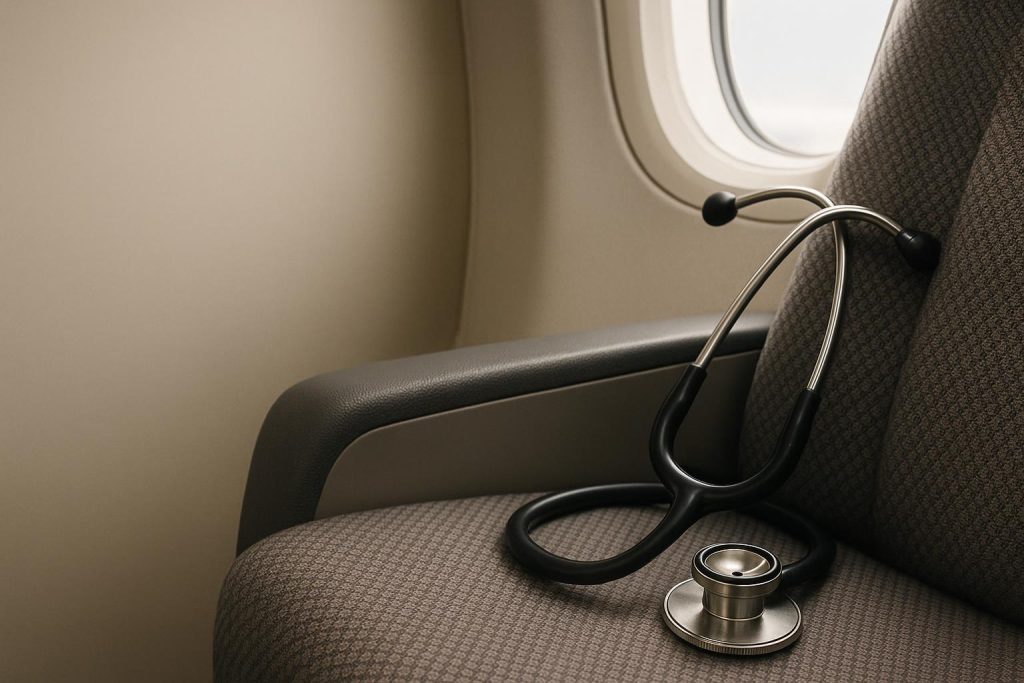
Understanding Medical Equipment for Air Travel: Essential Tips and Guidelines
Flying with medical equipment can feel daunting if you’re unsure about airline rules or the range of devices allowed on board. Whether you’re traveling for non-emergency medical transport or simply need extra support during a commercial flight, having clarity about what qualifies as medical equipment is crucial. This comprehensive guide will walk you through the types of medical equipment commonly permitted on airplanes, how to prepare for any special requirements, and the steps needed to ensure your journey is smooth and comfortable. By understanding the basics—like device approvals, advance notification procedures, and considerations for in-flight care—you can travel with peace of mind, whether you’re going home after treatment or visiting a new destination.
What Airlines Typically Recognize as Medical Equipment
Not all medical gear is created equal, and airlines have varying policies to accommodate the wide range of devices passengers may need. However, there are several broad categories that most commercial carriers consider “medical equipment” based on international aviation standards and public safety guidelines:
- Portable Oxygen Concentrators (POCs): These devices provide crucial breathing assistance for individuals with respiratory conditions such as COPD or severe asthma. Many airlines permit POCs on board once the device is certified by the manufacturer and approved by regulatory agencies like the FAA or EASA.
- Ventilators, Respirators, and CPAP Devices: For passengers with more significant respiratory requirements, ventilators or respirators may be necessary to sustain breathing during the flight. CPAP machines, widely used to treat sleep apnea, are also commonly recognized if they meet airline specifications.
- Syringes and Associated Medications: Travelers with chronic conditions like diabetes often need to bring insulin and syringes. Airlines usually permit these items in carry-on baggage as long as relevant safety protocols are met, such as carrying original prescription labels.
- Mobility Aids: Wheelchairs, walkers, canes, and other mobility devices generally qualify as medical necessities. Some travelers may use collapsible or lightweight equipment that can be stored in overhead compartments, whereas larger pieces are typically checked at the gate.
- Medical Monitoring Devices: Heart monitors, pulse oximeters, and other devices that continuously track health metrics can be classified as medical equipment, especially for passengers recovering from procedures, dealing with chronic illnesses, or requiring close supervision.
- In-Flight Medical Kits: Passengers sometimes bring custom medical kits containing sterile needles, bandages, or other specialty items to manage complex health needs. Providing documentation and ensuring that the kit meets security requirements help avoid any misunderstandings.
Key Steps to Take Before You Fly
Planning well in advance is the most effective strategy for traveling seamlessly with medical equipment. Here are the essential steps to follow the moment you anticipate traveling:
- Obtain a Doctor’s Note: An official statement from your physician can be invaluable, spelling out the type of equipment you need and why. This document confirms that the devices are medically necessary, which can streamline the security screening.
- Contact the Airline Early: Different carriers have different policies. Reach out soon after booking your ticket to inform them about what you plan to bring on board, particularly if it’s a larger piece of equipment such as a portable oxygen concentrator.
- Check Airline Approvals: Some devices need an ‘airline-approved’ label or must be on a specific list of accepted models. The airline website often provides details or you can speak with their special assistance desk.
- Arrange for Storage or Power Supply if Needed: If your device requires continuous power and cannot run on batteries alone, verify that onboard power options (like in-seat power outlets) are sufficient. In some cases, you may need to calculate total battery requirements and have additional backup batteries.
- Understand Size and Weight Limits: Though most medical equipment is exempt from standard baggage policies, dimension restrictions can still apply, especially for large items. If your device is bulky, confirm whether it can fit in overhead bins, under the seat in front of you, or if it will need special storage arrangements.
Security Screening Tips for Medical Devices
Once at the airport, you’ll have to pass through security checkpoints. Security personnel are trained to handle special cases, but it’s always worthwhile to know how to navigate the interaction:
- Separate Your Medical Equipment: Place it in clear bags or carry it in a separate case so it’s easily accessible for inspection.
- Label Prescriptions: Keep medications in pharmacy-issued containers with a label that matches your boarding pass information to confirm authenticity.
- Communicate Early: Notify the screening personnel that you have medical equipment to avoid unexpected delays or confusion.
- Allow Extra Time: Budget additional time for security, as thorough screenings may be required depending on the type or quantity of medical devices you’re carrying.
- Avoid Contamination: If you have sterile equipment, ask screeners ahead of time to don fresh gloves and handle the gear carefully, or request an alternative inspection method.
In-Flight Considerations and Comfortable Travel
Once on the plane, you’ll want to maintain access to medical devices and ensure your comfort. Keep these tips in mind for the best in-flight experience:
- Arrange Accessible Seating: If you rely on oxygen, a CPAP machine, or another piece of equipment during the flight, try to select a seat close to a power outlet (if provided) or in a row with enough space for your device at your feet.
- Keep Essentials Within Reach: Make sure your medications and primary equipment are in a carry-on bag under your seat or in the overhead bin. You’ll have continuous access without needing help from a flight attendant to retrieve your items.
- Stay Hydrated and Comfortable: Medical conditions can worsen if you’re dehydrated or cramped in a small space. Drink water frequently and take approved movement breaks if your condition allows it. Short, gentle walks down the aisle can improve circulation.
- Consider a Medical Escort for Complex Needs: If your medical situation calls for hands-on care during flight, you might need a Commercial Medical Escort. This type of specialized support can be crucial for managing mobility issues, administering medications, or responding to changing health needs in real time.
When You Might Need Special Travel Arrangements
Traveling safely with medical equipment sometimes goes beyond simply getting a few extra batteries for your portable oxygen concentrator. Certain conditions or recent medical events may require more comprehensive planning and in-flight support:
- Patients with Severe Illnesses: Those recovering from a stroke, major surgery, or severe respiratory issues may need services that facilitate bed-to-bed transport, such as Medical Repatriation.
- Individuals Requiring Stretcher Support: If the traveler cannot sit upright for the duration of a commercial flight, a Commercial Airline Stretcher configuration can provide a cost-effective alternative to a private air ambulance.
- Complex Mental Health Needs: Those experiencing mental health challenges may benefit from discrete support services, like Mental Health Travel Support, ensuring a calm and controlled environment throughout the journey.
By recognizing when a standard approach may not be sufficient, travelers and their families can plan realistically and opt for the level of assistance that ensures a safe, dignified trip.
Collaborating with a Reliable Medical Transport Service
Families and care coordinators often discover they need more structured help when traveling with medical equipment. A specialized company can provide invaluable guidance on flight logistics and help ensure that airlines, airports, and healthcare providers all collaborate smoothly. These professionals manage vital tasks, from proper equipment assessment and documentation to complex arrangements, like securing case management throughout the entire journey. With transparent and professional support, travelers experience less stress, allowing them to focus on healing and peace of mind.
Handling Unexpected Events
Sometimes, even meticulous preparation may face surprises, such as flight delays, last-minute gate changes, or equipment malfunctions. Being adaptable is key:
- Carry Backup Batteries and Supplies: Delays on tarmac or lengthy layovers can drain supplies faster than anticipated. Always travel with more than you think you’ll need.
- Have a Contingency Plan: If your flight is significantly delayed or canceled, your medical needs don’t just pause. Know how to reschedule oxygen arrangements or coordinate with medical staff if an overnight stay becomes necessary.
- Communicate Early and Often: Keep the airline and gate agents informed about any evolving medical issues. They can help expedite rebooking processes or direct you to the resources you need.
Practical FAQs About Flying with Medical Equipment
The following questions often come up for individuals planning to fly with special medical devices:
- Does my medical equipment count toward my baggage allowance?
Generally, airlines consider medically necessary equipment exempt from standard baggage limits, although this can vary. Double-check with your carrier to minimize confusion. - Will I need to pay extra fees for checking medical devices?
In many cases, no. Most airlines waive additional fees for essential medical equipment. However, it’s essential to confirm this detail well ahead of time. - Can I use my CPAP machine during the flight?
Yes, if it’s FAA-approved and you have enough battery power or an aircraft-compatible power cord. Some airlines allow in-seat power usage if you coordinate in advance. - What if I need continuous oxygen for more than 12 hours of flying?
Here, a long-haul flight may require specialized travel planning. You might need to switch POCs between flights or have carefully arranged oxygen supply devices at layover airports. - Should I hire a medical escort if my condition is stable but unpredictable?
If you feel uncertain about how you’ll handle long flight times, a Commercial Medical Escort could reduce risks by providing qualified medical oversight throughout the journey.
When to Consider Professional Medical Repatriation
In certain cases, commercial flights—even with extra medical equipment—may not be suitable or safe for the passenger. If an individual is critically ill or physically unable to project-manage logistics themselves, Medical Repatriation might be the most appropriate choice. This service coordinates all facets of an international transfer, seamlessly connecting ground ambulances, hospital admissions, flight bookings, and equipment needs. The overarching goal is to ensure the patient’s comfort and well-being, minimizing the stress on families who might otherwise be scrambling to handle these logistics on their own.
Tests, Approvals, and Airline Policies
Given the increasing sophistication of portable medical devices, airlines are continually updating their guidelines. Some carriers maintain a list of thoroughly tested and approved device models. If you have a newer piece of technology, verify that your model meets all criteria and bring documentation in case airline staff request further details. This proof might include the device manual, statements from your supplier, or letters from your physician. Being proactive prevents last-minute surprises at the airport and saves you from the inconvenience of having to leave essential items behind.
Final Thoughts on Flying with Medical Equipment
Understanding what counts as medical equipment when flying is vital for anyone with a chronic condition, recent surgery, or other health-related needs. From portable oxygen concentrators to insulin syringes and specialized mobility aids, there is a wide array of devices that airlines allow—and often encourage—in the name of passenger safety and comfort. Planning, documentation, and clear communication with both your healthcare provider and the airline are your best safeguards against complications.
If your situation calls for a higher level of care—such as stretcher service, medical repatriation, or specialized mental health support—rest assured that comprehensive solutions exist. Traveling should not be a barrier to receiving the necessary care, nor should it compromise any part of your long-term well-being. By taking all relevant steps, from acquiring official documentation to preparing backup supplies, you can focus on your overall health and make your journey a positive, supportive experience.
In the end, medical equipment on flights is about ensuring everyone can travel safely, comfortably, and with dignity. Staying informed, reaching out to airlines for clarification, and collaborating with skilled medical transport providers when needed are the keys to a successful, stress-free journey—no matter what your health needs may be. With the right preparation and support, flying with medical equipment can be far less intimidating than you might expect.